MongoDB 於 7月13日釋出了 5.0 版,這次除了更新 mongosh shell,也針對 Time Series 資料的支援。
完整的更新列表請參考 Release Notes for MongoDB 5.0。
mongosh shell
mongo shell 在 5.0 版被棄用了,取而代之是 mongosh shell,它是一個 Node.js 14.x REPL 互動環境,你甚至可以 require() 其它 npm module,見:Write Scripts for mongosh。另外,它還支援 GCP 和 Azure 的 Key Management Service (KMS)。
雖然 mongo 被棄用,它的指令目前都可以運行在 mongosh 上,完整的指令見 MongoDB Shell Methods。
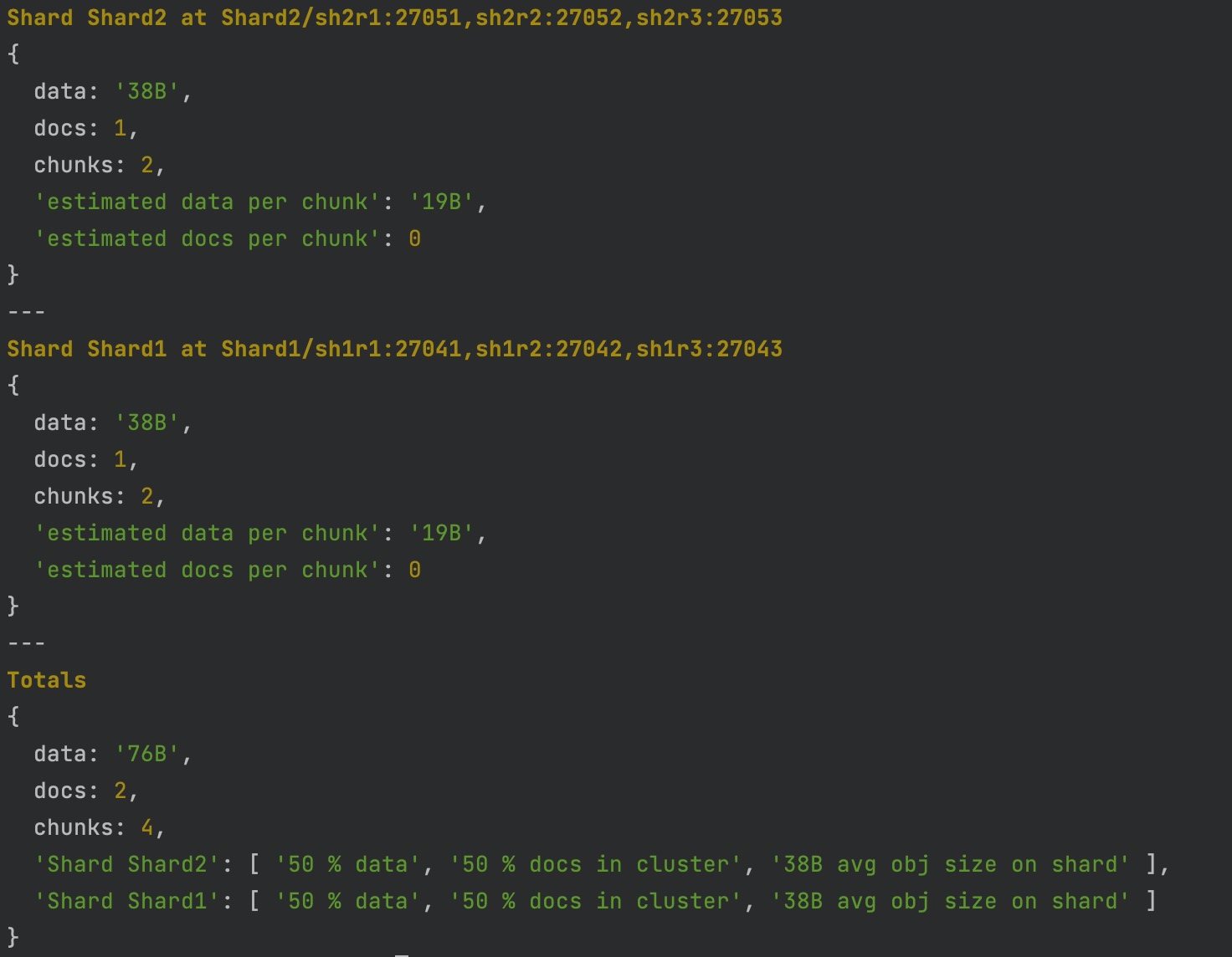
mongosh 的改變很大,其中是語法高亮(syntax highlighting),它讓許多「查詢狀態」指令類的結果好讀了許多,如:db.collection.getShardDistribution()
時間序列資料集 (Time Series Collection)
5.0 版引進時間序列資料集(Time Series Collection),它優化儲存空間和查詢效能。
使用者要顯示地用 db.createCollection() 建立資料集:
 1db.createCollection("weather", { timeseries: { timeField: "timestamp" } } )
 2
 3db.createCollection(
 4    "weather24h",
 5    {
 6       timeseries: {
 7          timeField: "timestamp",
 8          metaField: "metadata",
 9          granularity: "hours"
10       },
11       expireAfterSeconds: 86400
12    }
13)
MongoDB 雖然會在內部建立 timeField 指定欄位的 index,使用者還是可以對 metaField 和 timeFiel 指定欄位建立次索引(二級索引) Secondary Index 來改善查詢效能。
注意:二級索引的設定有些限制, 目前只能設定在 metadata(如果有設定) 和 timestamp 指定的欄位中,如:
1db.weather24h.createIndex({ "metadata.sensorId": 1, "timestamp": 1 })
注意:目前 Time Series 還不能在 sharding 環境中,據說會在接下來的版本持續釋出。
Aggregation
使用 MongoDB 一定要學習的就是 Aggregation Pipeline,它幫助我們以流水線的方式處理/分析整個資料集(collection)。
$setWindowFields stage
從 MongoDB 4.2 引入 $merge stage 讓我們可以把聚合結果寫回並合併到指定的資料集(collection)。這次引入新的 $setWindowFields stage,我們可以在一個排序的資料集中,以及自定義的 window,對每個 document 的 window 所涵蓋的資料聚合計算,並儲存於 document 的 field 上。
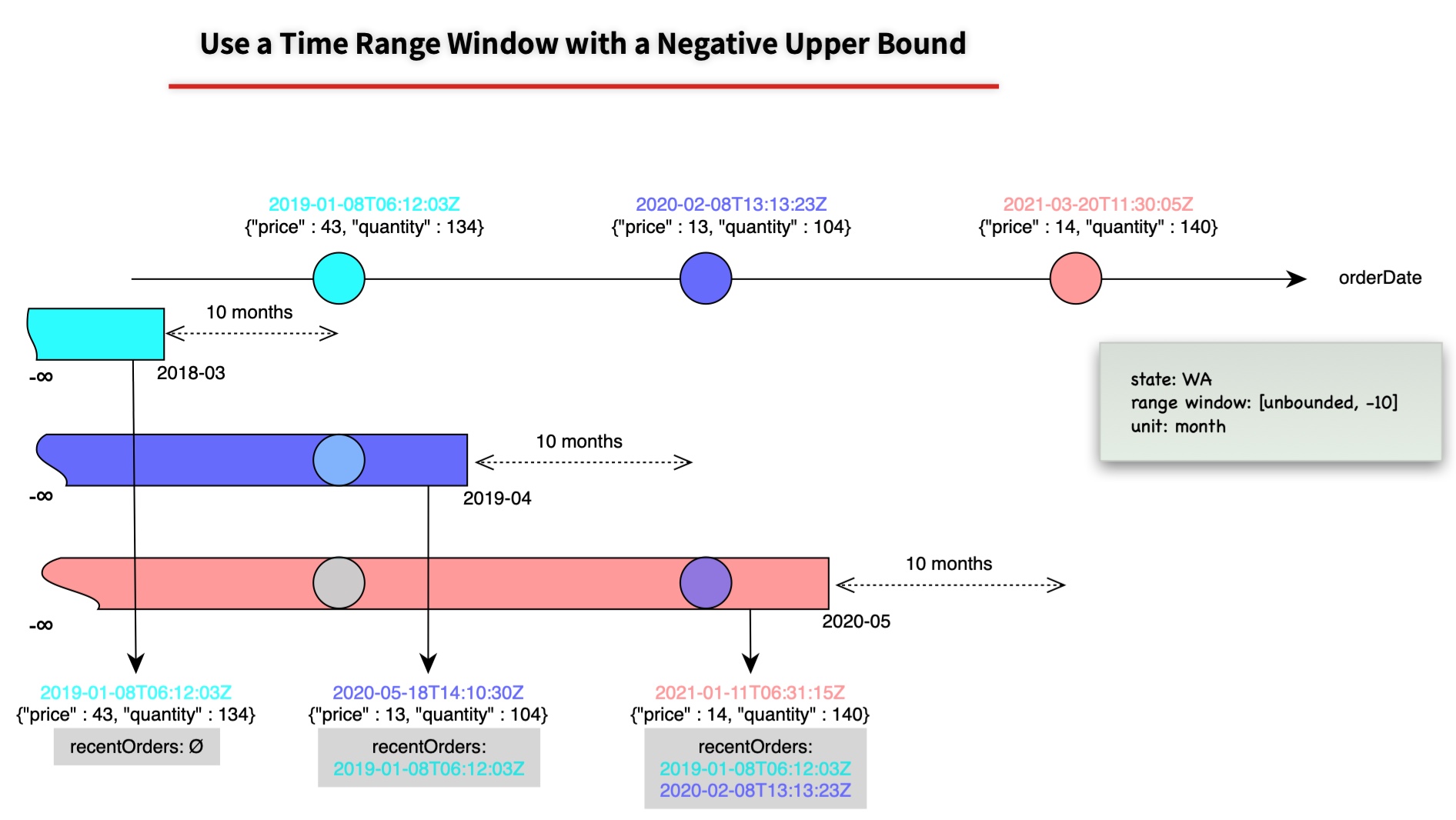
以上圖為例,就是對每筆訂單計算前十個月的訂單紀錄 recentOrders,完整例子見:Use a Time Range Window with a Positive Upper Bound。
股票技術分析中的「移動平均線(Moving Average)」也可以用這個來實現。
聚合算子(Aggregation Operators)
同時增加分析 Time Series 資料可能會用到的算子。
-
時間日期操作(Date operation):
$dateAdd,$dateDiff,$dateSubtract,$dateTrunc -
$group的聚合累積算子(aggregation accumulator)中新增$count,來計算各分群的數量。另外,此算子也可以用在$setWindowFields中。 -
機率抽樣指定比率的文件(document)量
$sampleRate。(這在 4.4.2 版已釋出)
db.collection.aggregate() 增加 let Option
db.collection.aggregate(pipeline,options) 可以用 let option 改善 pipeline 的可讀性。
1db.cakeSales.aggregate(
2   [
3      { $match: {
4         $expr: { $gt: [ "$salesTotal", "$$targetTotal" ] }
5      } }
6   ],
7   {let: { targetTotal: 3000 } }
8)
let 定義 targetTotal 變數,然後在 pipeline 中用 $$targetTotal 引用變數。這表示我們可讓 pipeline 可以更乾淨一點,也可以拿來分離非 pipeline 的程式碼。
接下來,在分片叢集架構上,也加入了維運用的 refineCollectionShardKey 和 reshardCollection。
Shared Cluster
雖然在 4.4 版加入了 refineCollectionShardKey 來處理 jumbo chunks 的議題 - 可能由於基數(cardinality) 不足引起而無法切分(split)的巨大 chunk。但還是沒有搔到癢處,因為除非很有經驗或是很確定查詢資料的方式或資料結構,否則不太容易第一次取的 shard key 就會很準確。這次 5.0 版終於可以用 reshardCollection 來修改 shard key。
不過別高興的太早,因為會把一個資料集分散在個各分片,通常那資料集就是很大的資料量,所以要把大量的資料重新分配,可想而知是很巨大的挑戰,使用前請詳讀 Reshard a Collection。
另外,renameCollection 在 5.0 版也可以用在 sharded collection 上了。
評論